The Best Times to Fly Fish: Freshwater and Saltwater Success
As an experienced fly fishing writer and instructor, I'm often asked about the ideal times of day to hit the water. The truth is, there's no one-size-fits-all answer - the best time to fly fish can vary depending on the target species, the season, and even the weather conditions. However, there are some general guidelines that can help you make the most of your time on the water, whether you're chasing trout in a mountain stream or stalking bonefish on the flats.
Freshwater Fly Fishing
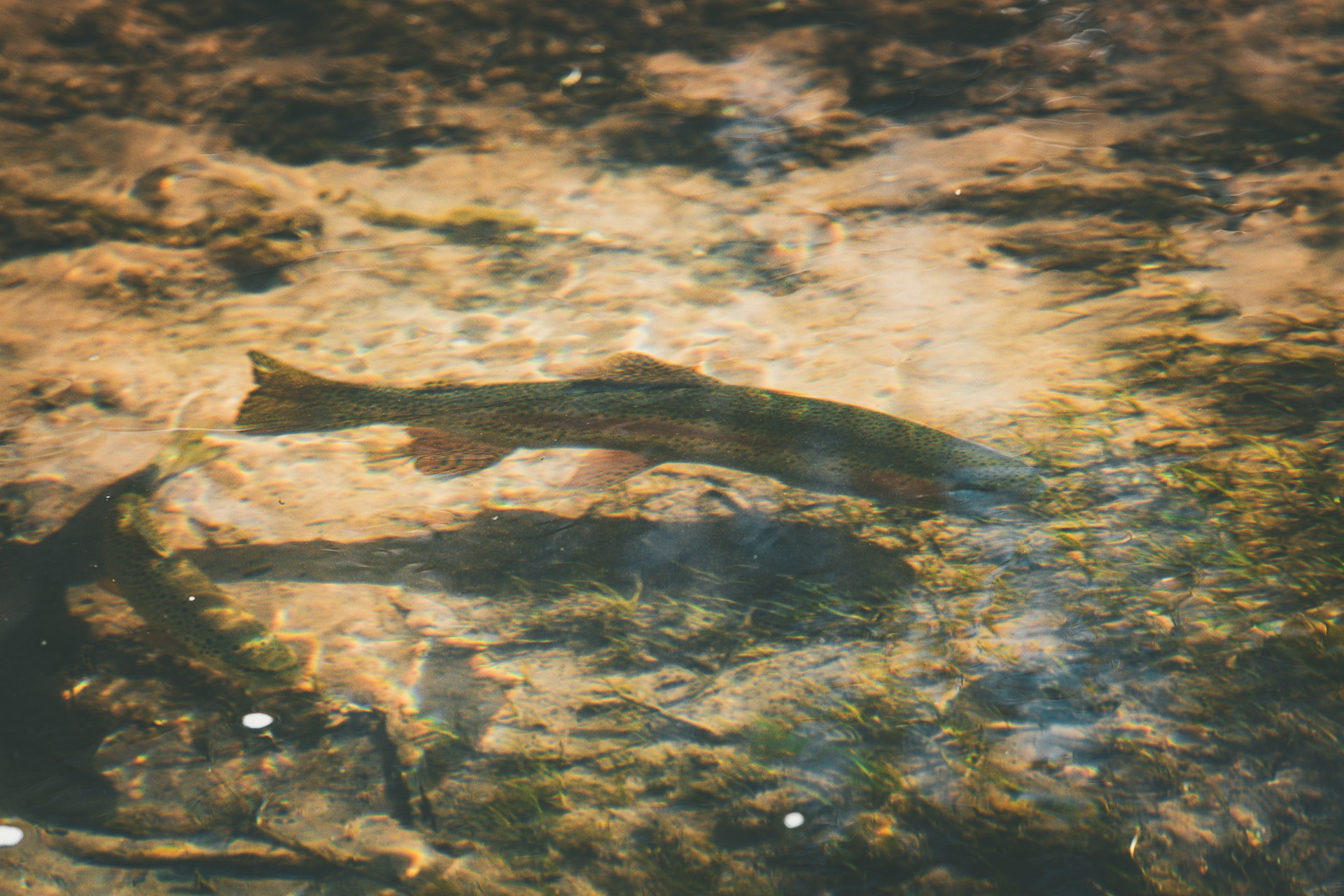
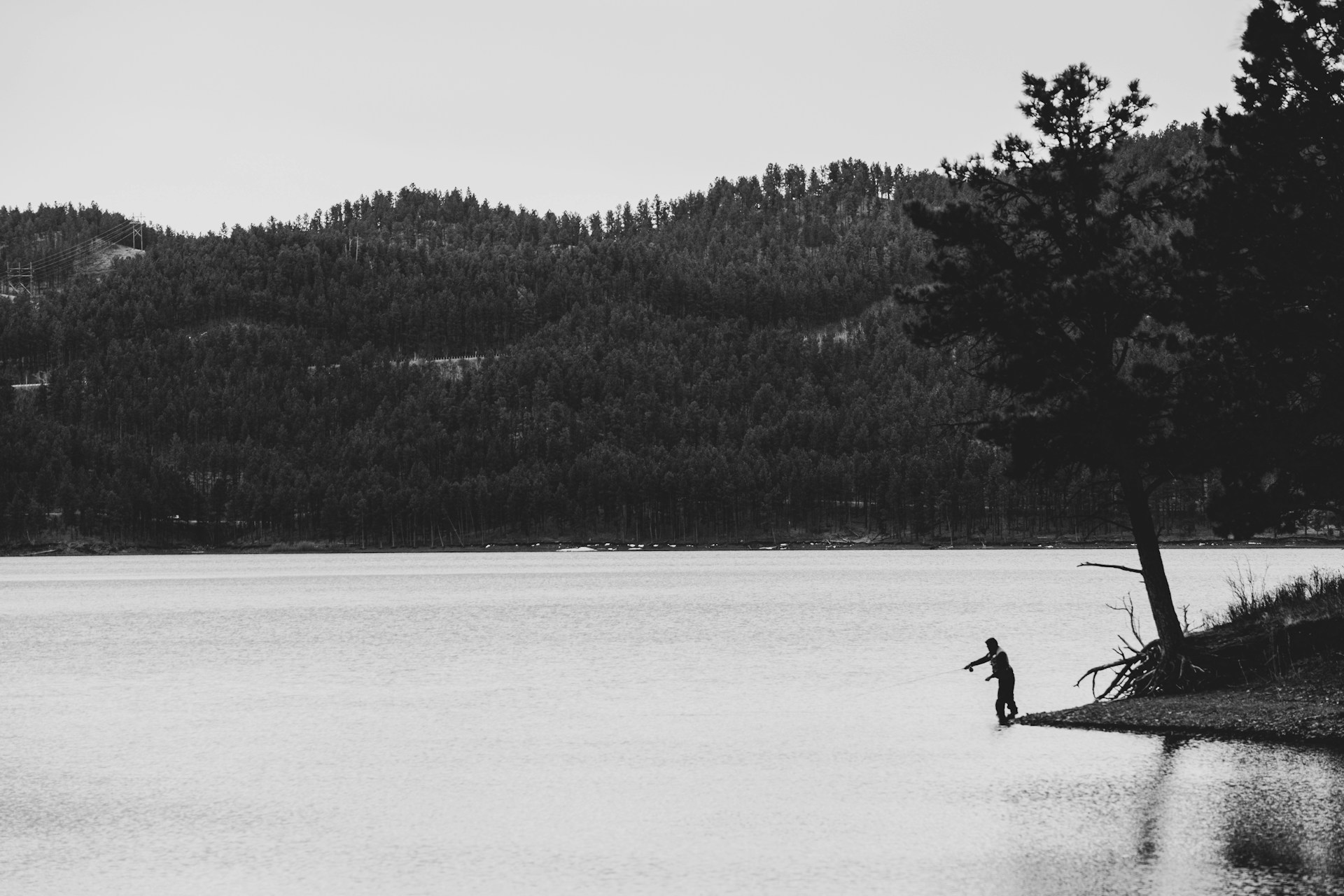
For many freshwater species like trout and bass, the morning and evening hours are often the most productive. As the sun rises and sets, these fish become more active and willing to strike at your fly. The low-light conditions make it easier for them to spot your presentation, and they're often more eager to feed during these transitional periods of the day.
Early Morning: The first hour or two after sunrise can be an excellent time to target trout and bass. These fish may have been feeding actively throughout the night and are often still on the hunt as the sun begins to peek over the horizon.
Late Afternoon/Early Evening: As the sun starts to dip below the trees or mountains, freshwater fish like trout and bass become more active again. They may be trying to pack on the calories before nightfall, making them more willing to chase your flies.
During the middle of the day, when the sun is high overhead, many freshwater species can be more lethargic and less inclined to strike. However, there are exceptions - if you're fishing tailwaters or spring-fed streams, the midday hours may actually be the best time, as the water temperature remains more stable.
Saltwater Fly Fishing
Timing your saltwater fly fishing can be a bit more complicated, as the tides and weather patterns play a significant role in the activity of species like bonefish, permit, and redfish.
Rising Tide: The period just before and during a rising tide can be an excellent time to target many saltwater species. As the water level increases, it floods the flats and mangroves, providing easier access to food sources for these fish.
Falling Tide: Similarly, the falling tide can also be a productive time, as fish position themselves to ambush prey that are being flushed out of the shallows.
In addition to tidal considerations, the time of day can also play a role in saltwater fly fishing success. Many species are most active during the low-light periods of dawn and dusk, making these times prime for stalking the flats.
Log Your Catches with Flyloops
Regardless of whether you're fishing freshwater or saltwater, keeping track of your successes (and failures) can be a valuable tool for improving your fly fishing skills. That's where Flyloops comes in - this comprehensive fly fishing app allows you to log your catches, analyze your performance, and share your experiences with the angling community.
By logging your fly fishing outings with Flyloops, you can start to identify patterns in your success and pinpoint the best times of day, tides, and weather conditions for your local waters. This data-driven approach can help you become a more effective and confident fly fisher, ultimately leading to more memorable days on the water.