Mastering Nymphing: A Beginner's Guide to Effective Subsurface Fly Fishing
Nymph fishing is a highly effective technique for catching trout and other game fish, but it can seem intimidating for beginner anglers. In this guide, we'll break down the essential skills and strategies you need to start fishing nymphs like a pro.
Understanding Nymphs and Subsurface Presentation
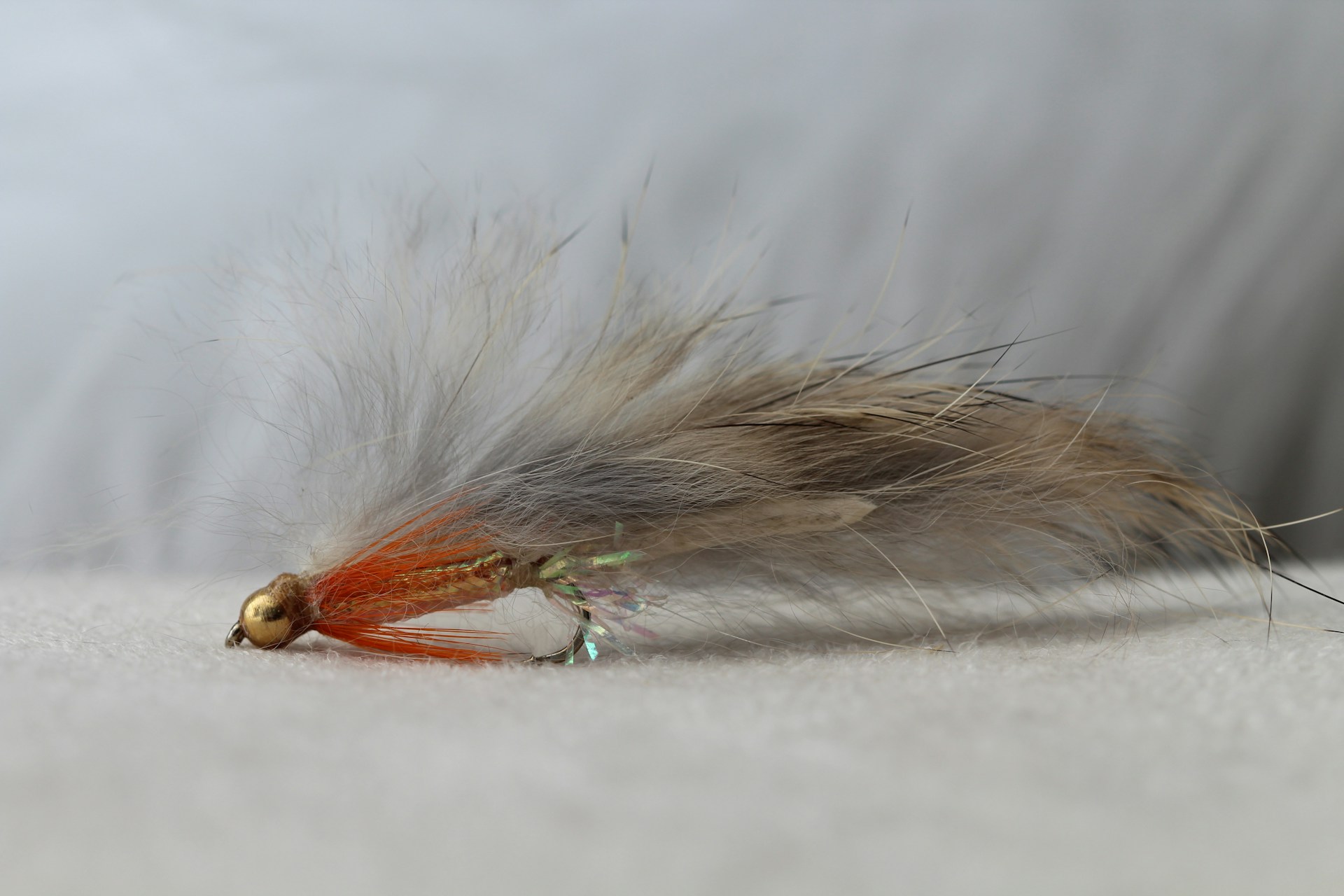
Nymphs are immature aquatic insects that live beneath the water's surface. These subsurface patterns closely imitate the natural food sources that trout and other fish feed on throughout the year. Presenting nymphs effectively is the key to success, as you'll need to get your flies down to where the fish are holding and feeding.
There are a few key techniques for nymph presentation:
- Dropper Rigs: Fishing a nymph pattern as a dropper fly behind a dry fly or indicator can help get your subsurface flies down to the strike zone.
- Indicator Rigs: Using a visible indicator to suspend your nymph rig allows you to detect subtle takes and control the depth of your presentation.
- Tight-Line Nymphing: Also known as Euro-nymphing, this technique involves fishing your nymphs without an indicator, using the tension in your line to detect takes.
Nymph Fly Selection and Rigging
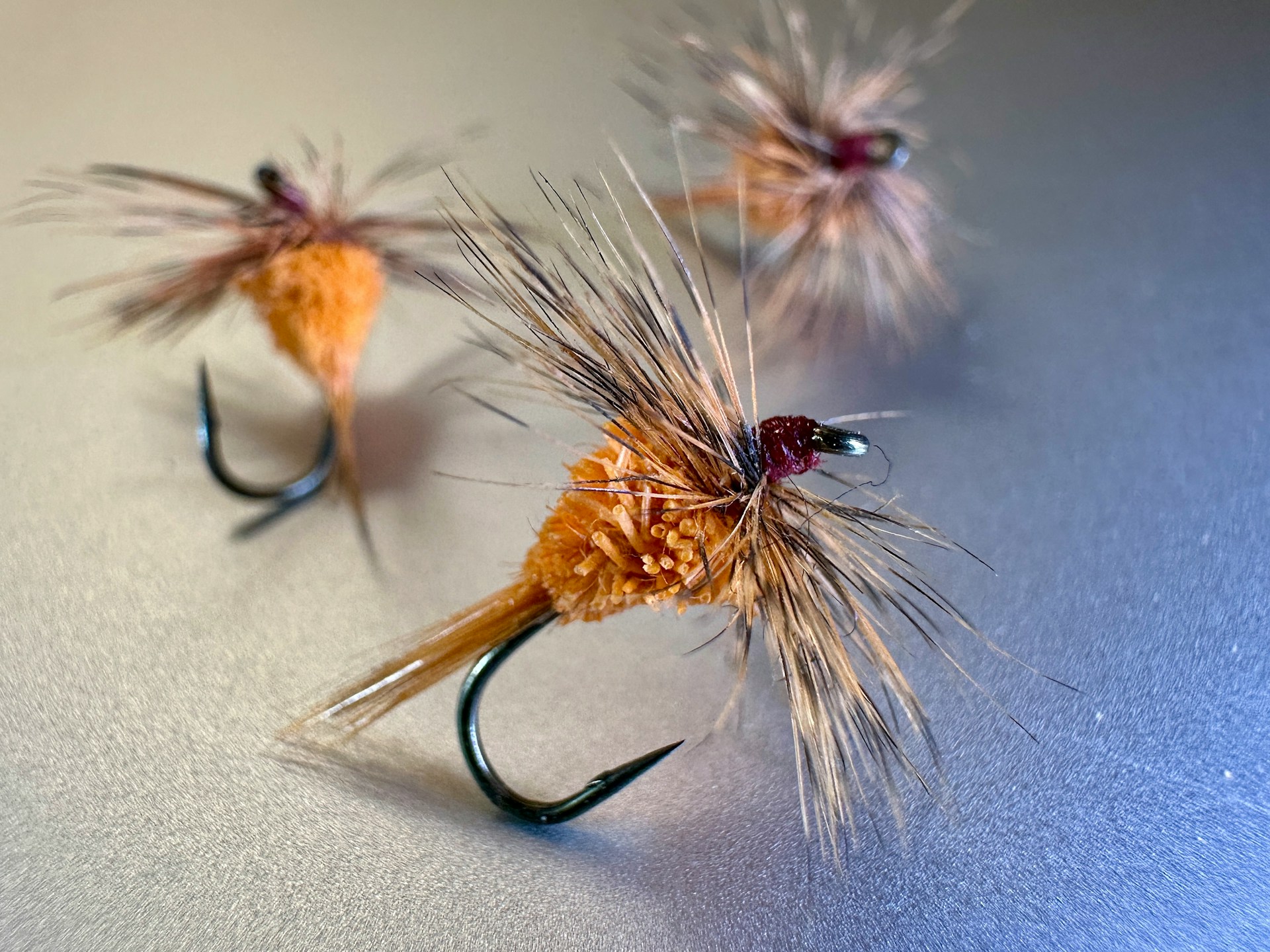
When it comes to nymph fly patterns, the options are endless. Some classic nymph patterns to have in your box include:
- Pheasant Tail Nymph
- Hare's Ear Nymph
- Prince Nymph
- Copper John
- Zebra Midge
The key is to match the size, color, and profile of the natural insects in the water you're fishing. Experiment with different patterns and sizes until you start dialing in what the fish are keying on.
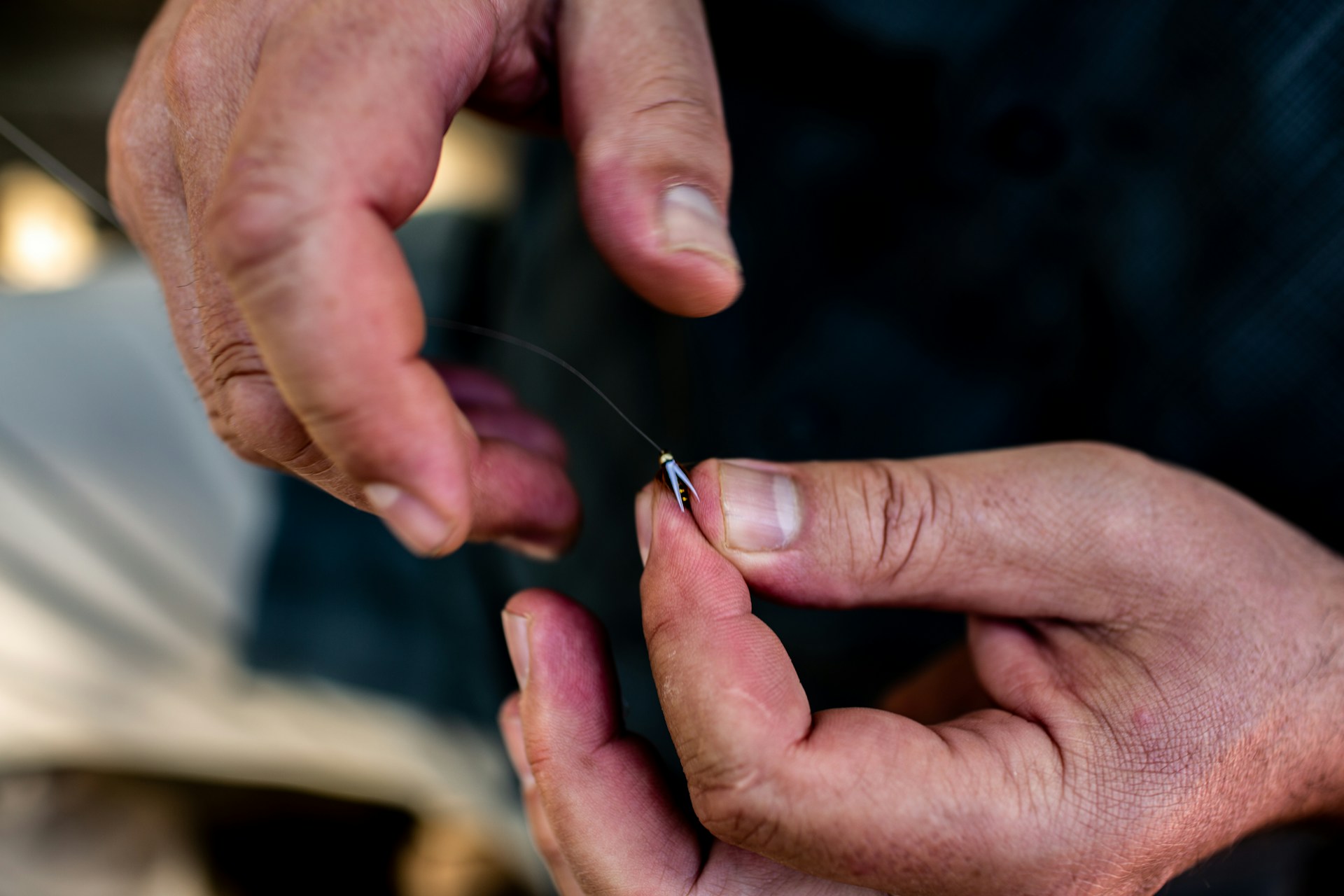
Properly rigging your nymph setup is also essential. Some best practices include:
- Using a tippet ring or small split shot to attach your nymph to your leader
- Adjusting the length of your nymph dropper to fish the correct depth
- Choosing the right indicator size and buoyancy to detect subtle takes
Presentation and Drifting Techniques
With your nymph rig dialed in, the final piece of the puzzle is mastering your presentation. Focus on achieving a natural, drag-free drift to mimic the movement of real insects in the water. This may involve mending your line, managing slack, and controlling the speed and angle of your drift.
As you gain experience, experiment with different retrieve techniques like dead-drifting, swinging, and bouncing to cover the water column and trigger strikes.
Start Catching More Fish with Nymphs
Nymph fishing can be a game-changer for beginner anglers. By mastering the techniques and tactics outlined in this guide, you'll be well on your way to consistently catching more trout and other species on subsurface flies. Don't forget to log your nymph fishing sessions in the Flyloops app to track your progress and unlock insights to help you become a better nymph fisherman.