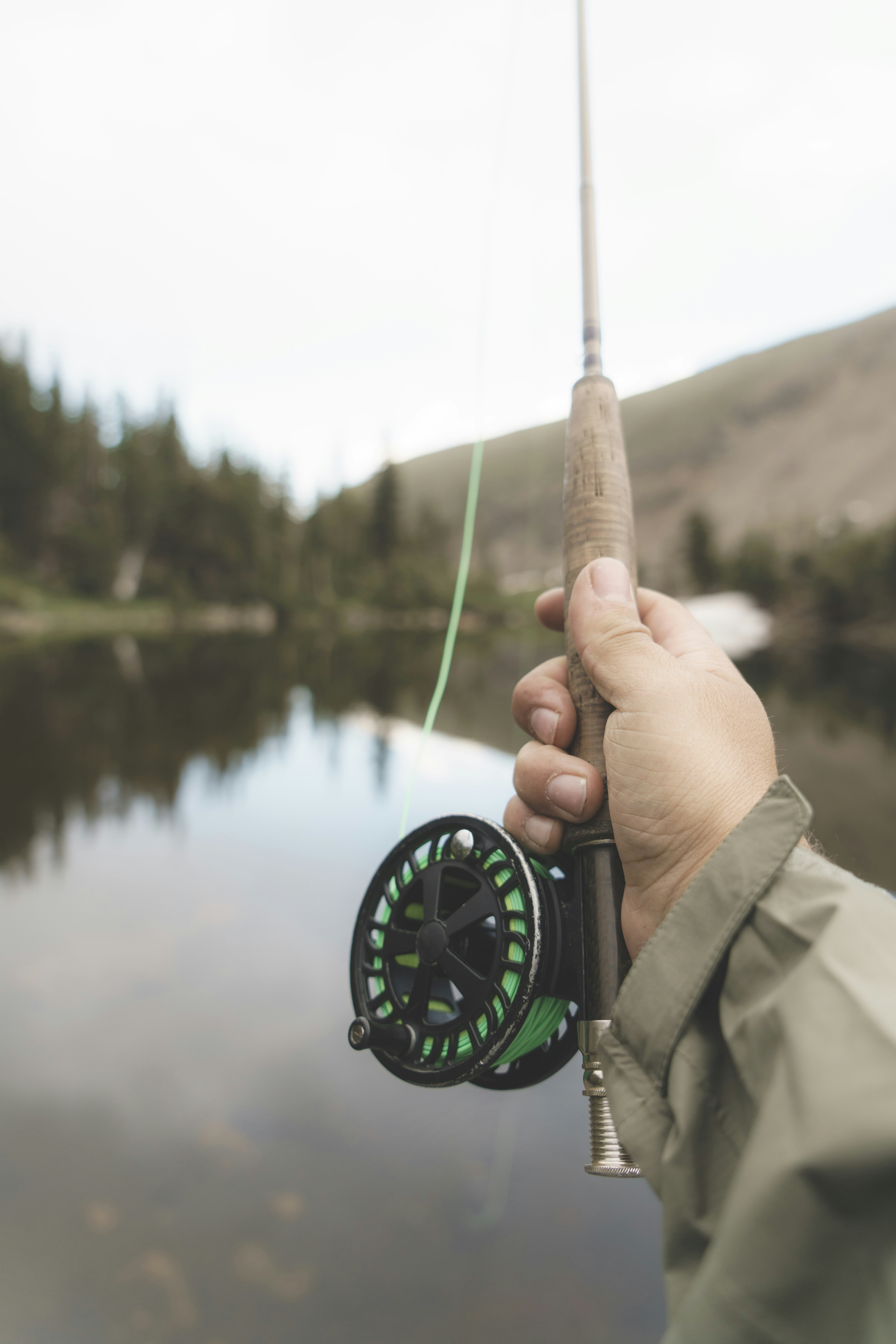
Fly Line 101: Choosing the Right Line for Beginner Fly Anglers
Fly fishing can seem daunting for beginners, especially when it comes to selecting the right fly line. With so many options out there, it's easy to get overwhelmed. But fear not! In this guide, we'll break down the different types of fly lines and give you expert tips on how to choose the perfect match for your rod and reel.
Understanding Fly Line Weight
The most important factor in selecting a fly line is the line weight. Fly line weights range from 1 to 15, with the lower numbers representing lighter, thinner lines and the higher numbers indicating heavier, thicker lines. As a general rule of thumb, you'll want to match your fly line weight to your rod weight.
- Lightweight rods (2-5 weight) are best paired with 2-5 weight fly lines.
- Medium-weight rods (5-7 weight) work well with 5-7 weight fly lines.
- Heavier rods (8-10 weight) require 8-10 weight fly lines.
Starting out, we recommend a 5 or 6 weight fly line as a versatile option that can handle a variety of fishing situations and target species.
The 3 Main Types of Fly Lines
Once you've determined the right line weight, you'll need to choose between the three main fly line types:
Floating Fly Lines
Floating lines are the most common and versatile option, designed to float on the surface of the water. They're ideal for fishing dry flies, nymphs, and streamers in a variety of freshwater settings.
Intermediate Fly Lines
Intermediate lines sink slightly below the surface, making them great for fishing subsurface patterns like wet flies and small streamers. They offer a middle ground between floating and full-sinking lines.
Sinking Fly Lines
Sinking fly lines are designed to fully submerge, allowing you to target fish in the water column or at the bottom. They come in a range of sink rates, from slow to fast, and are ideal for fishing large streamers or nymphs.
Matching Fly Line to Rod and Reel
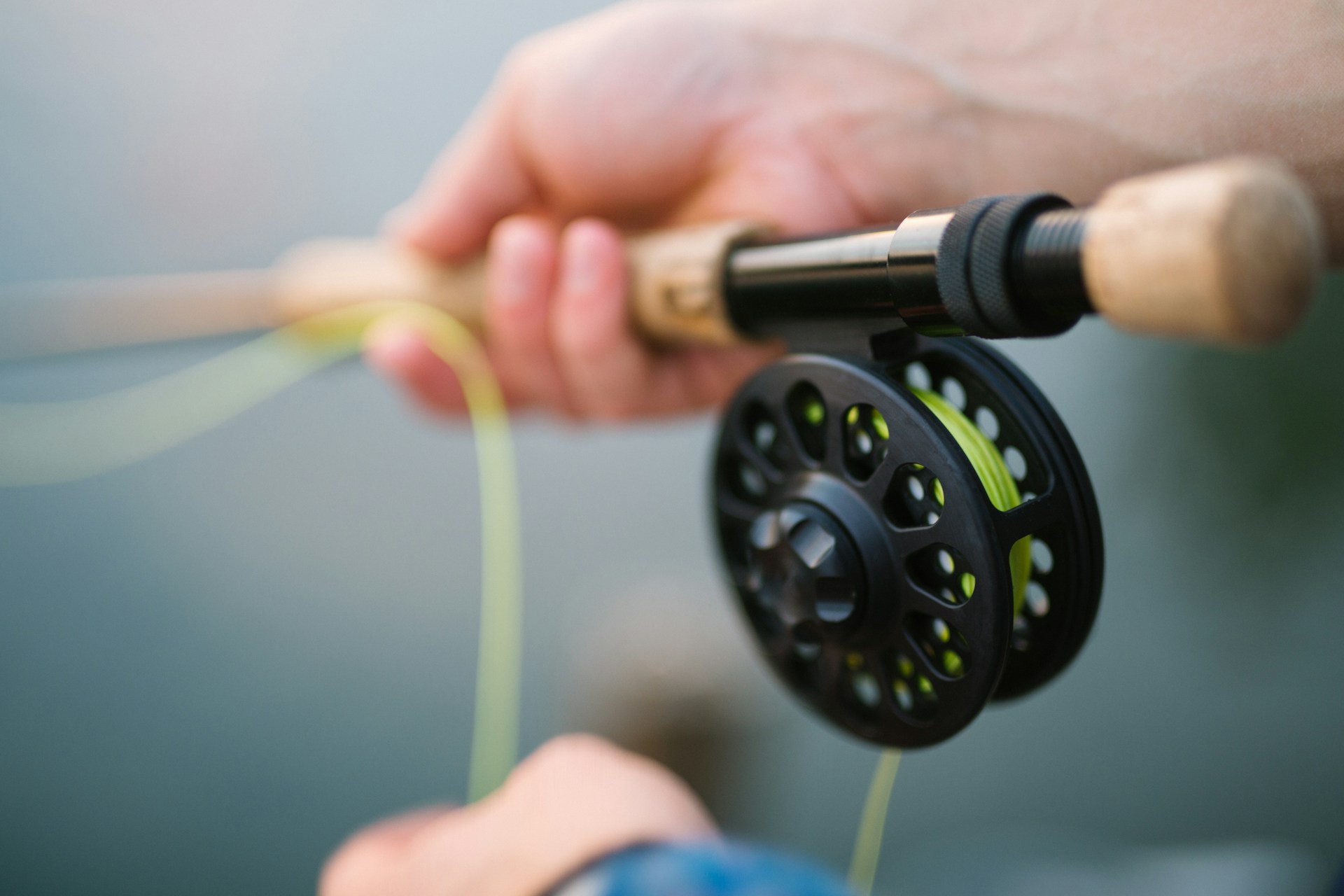
When choosing a fly line, you'll also want to consider the capabilities of your rod and reel. Make sure the line weight matches your rod weight, and that your reel can accommodate the line's diameter and length. A properly balanced outfit will cast and load the rod more efficiently.
As a beginner, start with a 5 or 6 weight floating fly line. This versatile setup will allow you to fish a variety of water types and fly patterns as you hone your skills. As you gain experience, you can experiment with intermediate and sinking lines for different techniques and target species.
Summary
Selecting the right fly line can seem daunting, but with a little knowledge, you can easily find the perfect match for your rod and reel. Remember to focus on line weight first, then choose between floating, intermediate, or sinking based on your fishing conditions and presentation needs. Start with a 5 or 6 weight floating line, and you'll be on your way to fly fishing success in no time!
Ready to start logging your fly fishing adventures? Be sure to download the Flyloops app and start tracking your catches, locations, and more. Tight lines!