Mastering Fly Line Mending: The Key to Precision Presentations
As a fly fishing writer and instructor, I've seen firsthand how improving your fly line mending skills can transform your time on the water. Mending is a critical technique that allows you to control the drift of your fly, ensuring a natural, drag-free presentation. Whether you're a beginner or an experienced angler, mastering the art of the mend is essential for success on the river.
Understanding the Basics of Mending
At its core, mending involves manipulating the line to create the desired curve or shape in the water. This allows you to control the speed and direction of the drift, preventing the fly from dragging and disrupting the natural flow. The key is to identify the different types of mends and when to apply them for optimal results.
The Reach Mend
- The reach mend is the most basic technique, where you simply lift and move the line upstream or downstream with a quick, gentle motion.
- This is a great option for addressing minor line management issues and maintaining a natural drift.
- Practice the reach mend to develop a smooth, controlled motion that doesn't spook the fish.
The Pile Mend
- The pile mend involves creating a small pile of line on the water's surface, which can help control the drift of your fly.
- To execute a pile mend, gently toss the line upstream or downstream, allowing it to land in a compact pile.
- This technique is particularly useful when dealing with faster currents or tricky feeding lanes.
The Curve Mend
- The curve mend is a more dynamic technique that involves creating a curve or "S" shape in the line.
- This is achieved by lifting the line and then sweeping it upstream or downstream, allowing the curve to control the drift.
- The curve mend is especially effective when dealing with complex water conditions or when you need to adjust the speed and direction of the fly's drift.
Putting It All Together: Mending Techniques for Different Retrieves
Mastering the various mending techniques is just the first step. The next step is to learn how to apply them in response to different fly retrieves and water conditions. Let's explore how to use these mending techniques in conjunction with various fly line retrieves:
The Strip Retrieve
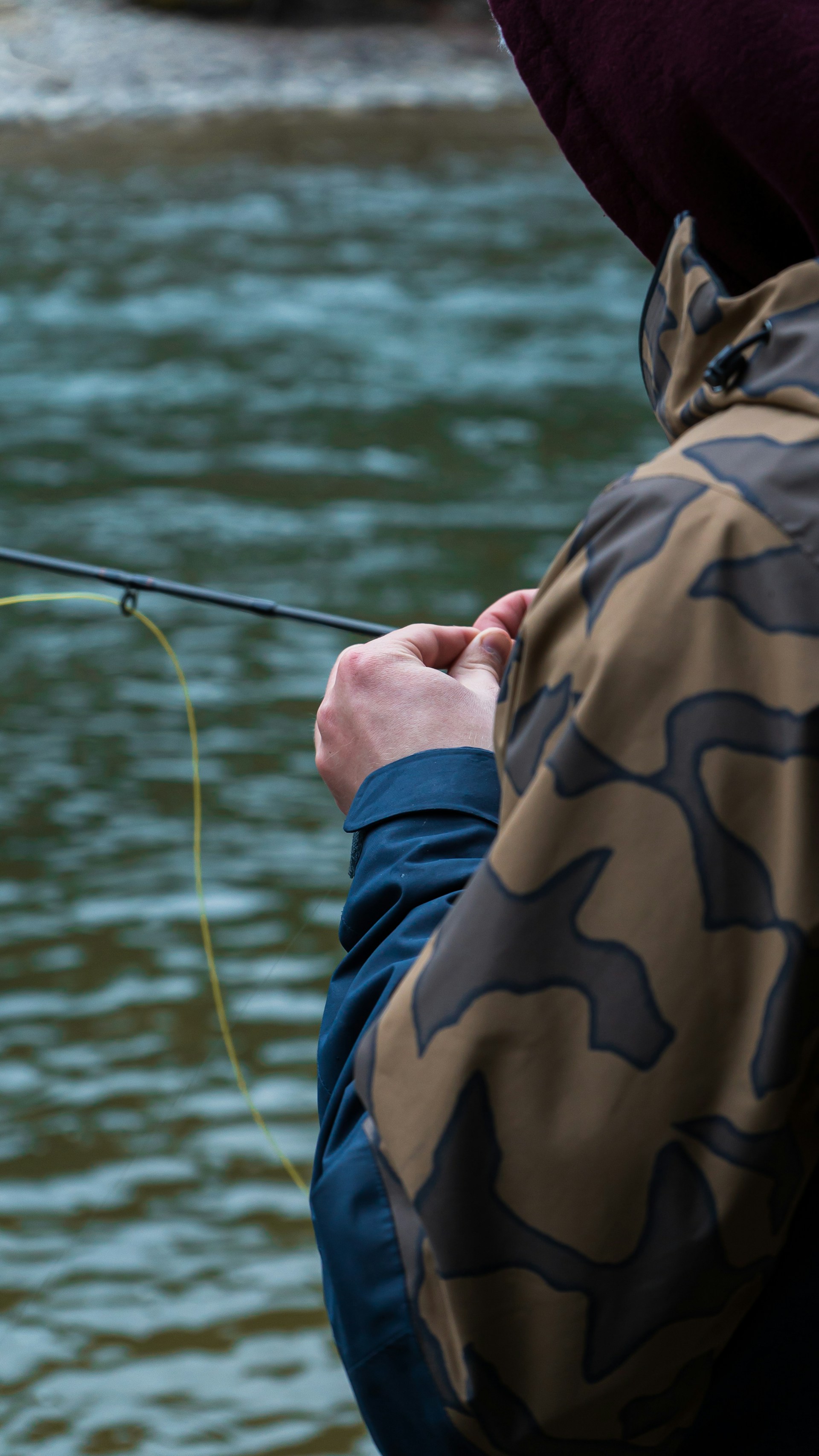
When stripping the line, you'll often need to use a reach mend or a pile mend to counteract the pull of the line and maintain a natural drift. Keep your mends smooth and controlled to avoid disturbing the water.
The Swing Retrieve
For a swinging fly, a combination of reach mends and curve mends can be effective in managing the line and keeping the fly moving at the desired speed and angle. Pay close attention to the current and make adjustments as needed.
The Dead Drift
Achieving a perfect dead drift requires precise line control, which is where the pile mend and the curve mend shine. Use these techniques to minimize drag and keep your fly floating naturally on the surface.
Conclusion: Unlock Your Fly Fishing Potential with Mending
Mastering the art of fly line mending is a game-changer for anglers of all skill levels. By understanding the different mending techniques and how to apply them in various fishing scenarios, you'll be able to present your fly with unparalleled precision and control. Remember to practice these techniques regularly, and don't be afraid to experiment to find what works best for you. Happy fishing!
Don't forget to log your catches and track your progress with the Flyloops app – the ultimate tool for fly fishing enthusiasts.