Fly Fishing Ethics: A Beginner's Guide to Responsible Angling
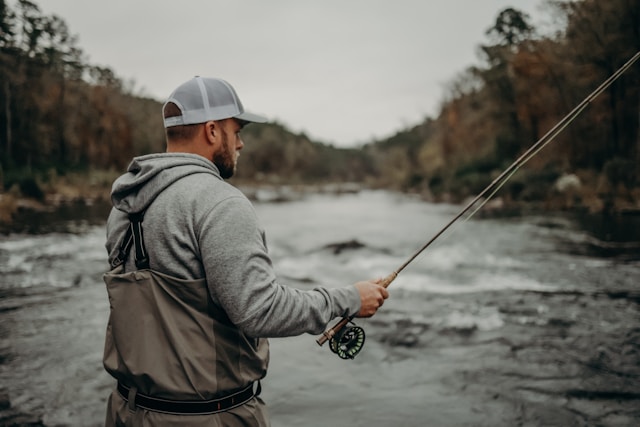
As a beginner fly angler, it's important to understand the ethical principles that guide responsible fly fishing. Beyond simply catching fish, there are unwritten rules and best practices that help preserve the sport, protect the resource, and ensure everyone can enjoy their time on the water. In this guide, we'll cover the key ethical considerations every new fly fisher should keep in mind.
Catch and Release
Catch-and-release fishing is the standard ethical practice in most fly fishing communities. The goal is to land, handle, and carefully release the fish with minimal harm so they can survive and be caught again another day. Learn proper hook removal, wet your hands before handling, and use rubberized nets to protect the fish's delicate slime coat. Quickly photograph the fish if desired, then revive it in the current before a gentle release.
River Etiquette
When sharing a river or stream, it's important to be considerate of other anglers. Never walk through or cast over someone else's fishing line - this can spook the fish they're targeting. Instead, politely ask if you can join them or move upstream/downstream to find your own unoccupied water. If a pool or run is already being fished, quietly find another spot rather than crowding the angler. And be mindful of your noise level, movement, and impact on the environment.
Respecting Beats and Access
Many rivers and streams are divided into designated "beats" or sections that anglers can reserve or rotate through. Respect these arrangements and don't fish water that's not assigned to you. Similarly, be considerate of private property boundaries and only access the waterways through designated public access points. Leave no trace and pack out any trash to preserve the natural environment.
Conservation and Sustainability
Fly fishing depends on healthy aquatic ecosystems, so it's important to be a steward of the environment. Support conservation efforts, handle fish carefully, and avoid wading or walking on sensitive spawning areas. Educate yourself on local regulations and bag limits, then make ethical decisions that protect the future of the fishery.
By embracing these ethical principles, you can become a responsible, considerate fly angler who helps preserve the sport for generations to come. Log your catches in the Flyloops app to track your progress and improve your technique over time. Most importantly, have fun and enjoy your time on the water!